


Submit Your
Application
Answer a few simple questions about your leave needs and situation. The process is fully online and designed to be quick, clear, and easy to complete.
We provide medical certification your insurer or employer needs to process your short-term disability claims and FMLA leave, completed online by licensed physicians.
 100% Online Process
  Money Back Guarantee
 Answer a few simple questions about your leave needs and situation. The process is fully online and designed to be quick, clear, and easy to complete.

A licensed healthcare provider reviews your information for accuracy and SDI compliance. No in-person visits required; everything is handled securely.

Once approved, your signed physician certification is ready to submit. Whether you need FMLA paperwork for short-term disability or SDI certification, our documentation is accurate, compliant, and completed by a licensed provider.
Get certified for Short-Term Disability in minutes without ever leaving your home.
Start STD Certification

Get Approved Or Your Money Back

Secure & HIPAA Compliant

Trusted By 100k Patients
Short-term disability (STD), also known as Temporary Disability Insurance (TDI), provides partial wage replacement when you cannot work due to a non-work-related illness, injury, or pregnancy. Unlike federal FMLA, which provides job protection, short-term disability focuses specifically on replacing lost income during your recovery. For job protection, you can get FMLA certification online.
Before your employer or insurer can release those benefits, they require a doctor's note for short-term disability completed by a licensed physician. FMLADocs handles that step entirely online, typically within 24 to 48 hours. If you are unsure whether you have STD coverage, check with your employer's HR department or your state's disability program directly.
Here is what short-term disability provides:
Partial Wage Replacement. State programs typically replace 50% to 90% of your average weekly wages, depending on your state and income level. Benefits are generally taxable income.
Coverage for Non-Work Conditions. STD covers disabilities that occur outside of work, including illnesses, surgeries, pregnancy and childbirth recovery, and mental health conditions.
Defined Benefit Duration. Benefits last from 26 to 52 weeks depending on your state or policy. This provides consistent income while you focus on recovery and prepare to return to work.
Medical Certification Required. All programs require certification from a licensed healthcare provider confirming your inability to perform your regular job duties due to your medical condition.
Works Alongside FMLA. Short-term disability and FMLA serve different purposes and can run concurrently. FMLA protects your job while STD replaces your wages, providing both income and employment security.

Benefit amounts and eligibility requirements vary by state:

Up to 52 weeks of disability benefits for your own illness, injury, or pregnancy. 70-90% wage replacement depending on income. Maximum weekly benefit of $1,681 in 2025.
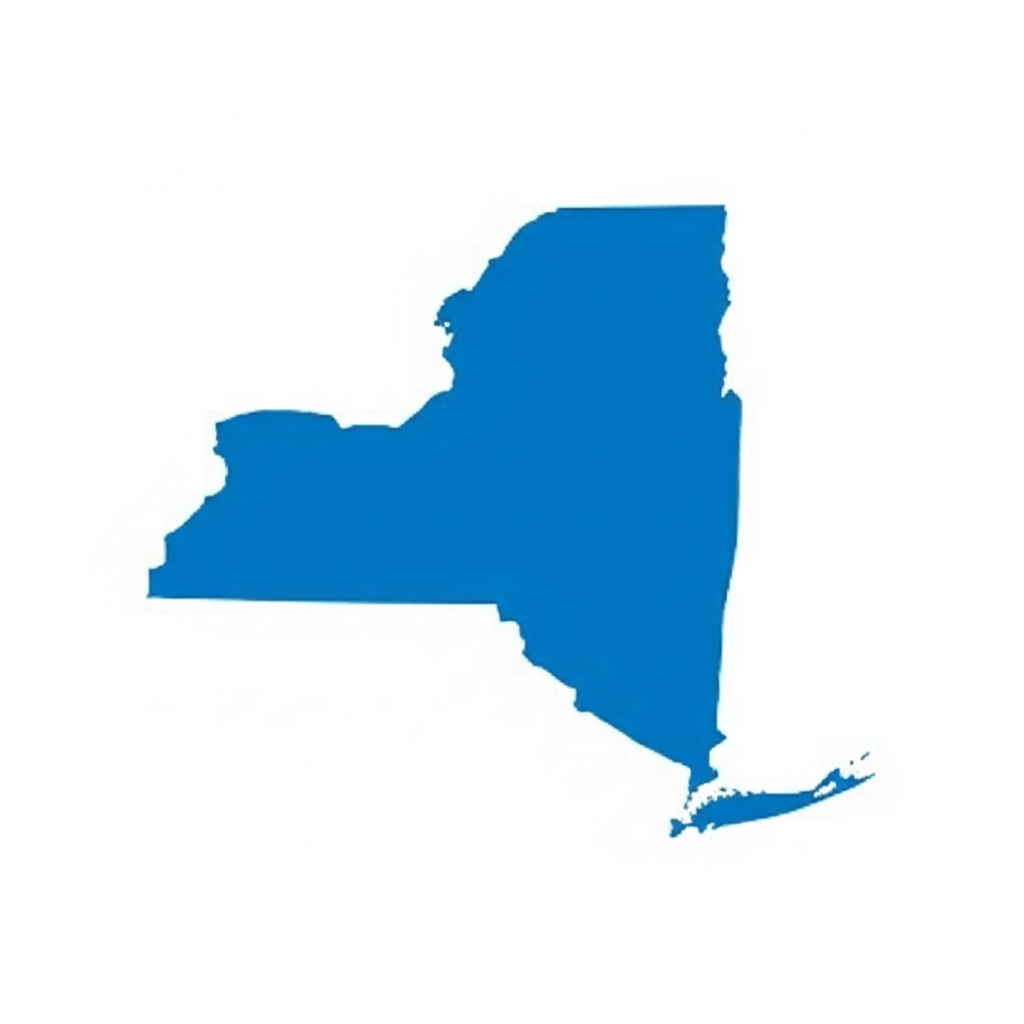
Up to 26 weeks of cash disability benefits. 50% wage replacement up to $170/week maximum. Employers with 1+ employees must provide coverage. 7-day waiting period before benefits begin.
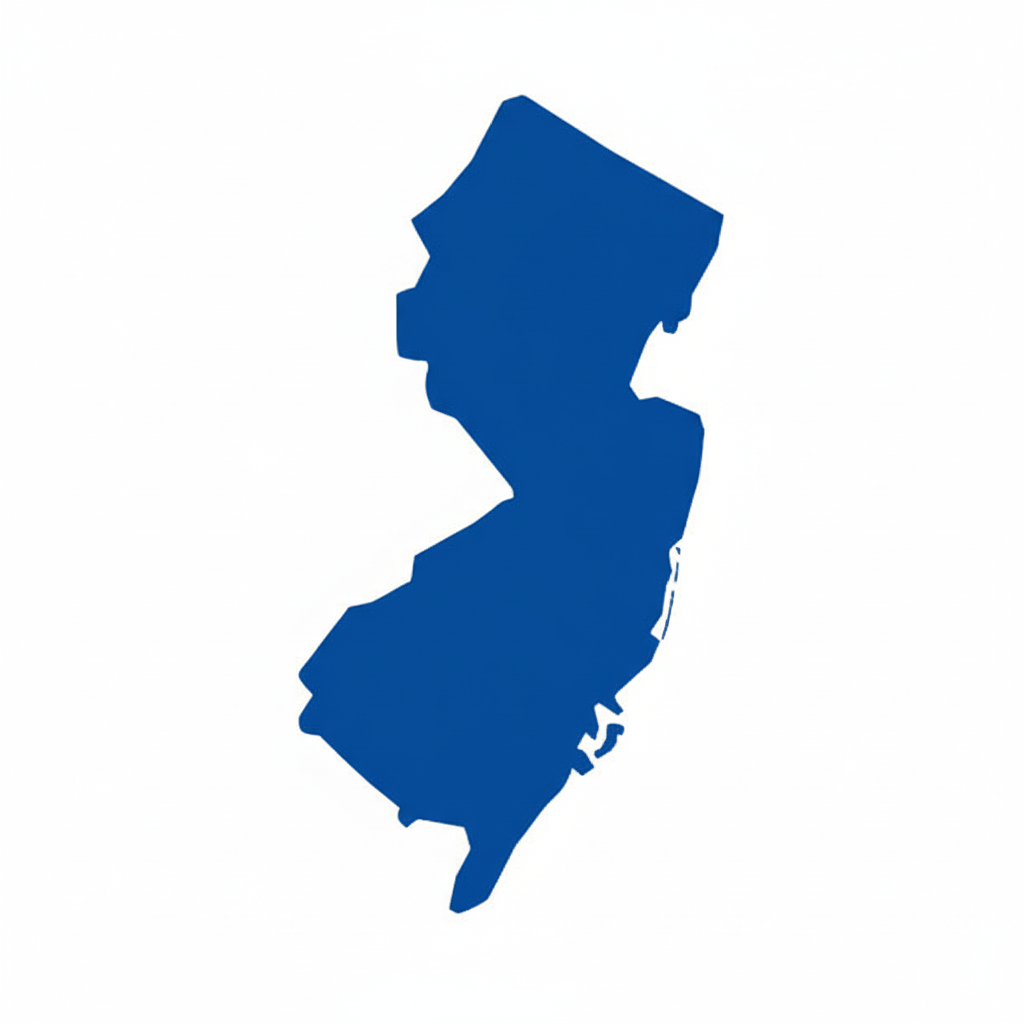
Up to 26 weeks of paid disability benefits. 85% wage replacement up to $1,081/week maximum in 2025. 7-day waiting period; if disability exceeds 3 weeks, waiting period is paid retroactively.
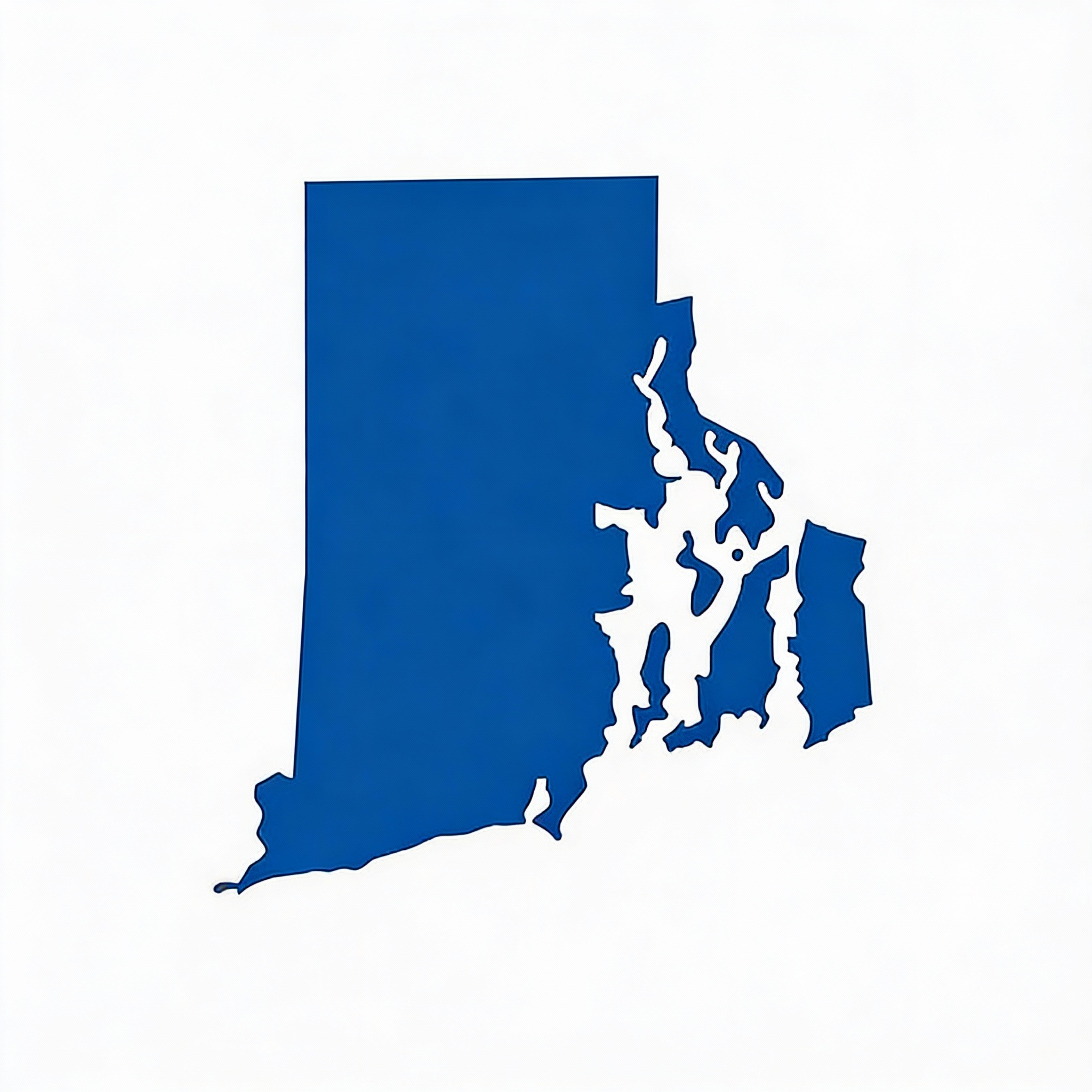
Up to 30 weeks of disability benefits. Weekly benefit equals 4.62% of highest quarter wages. Maximum $1,103/week (effective July 2025). State-run program with no private plan option.
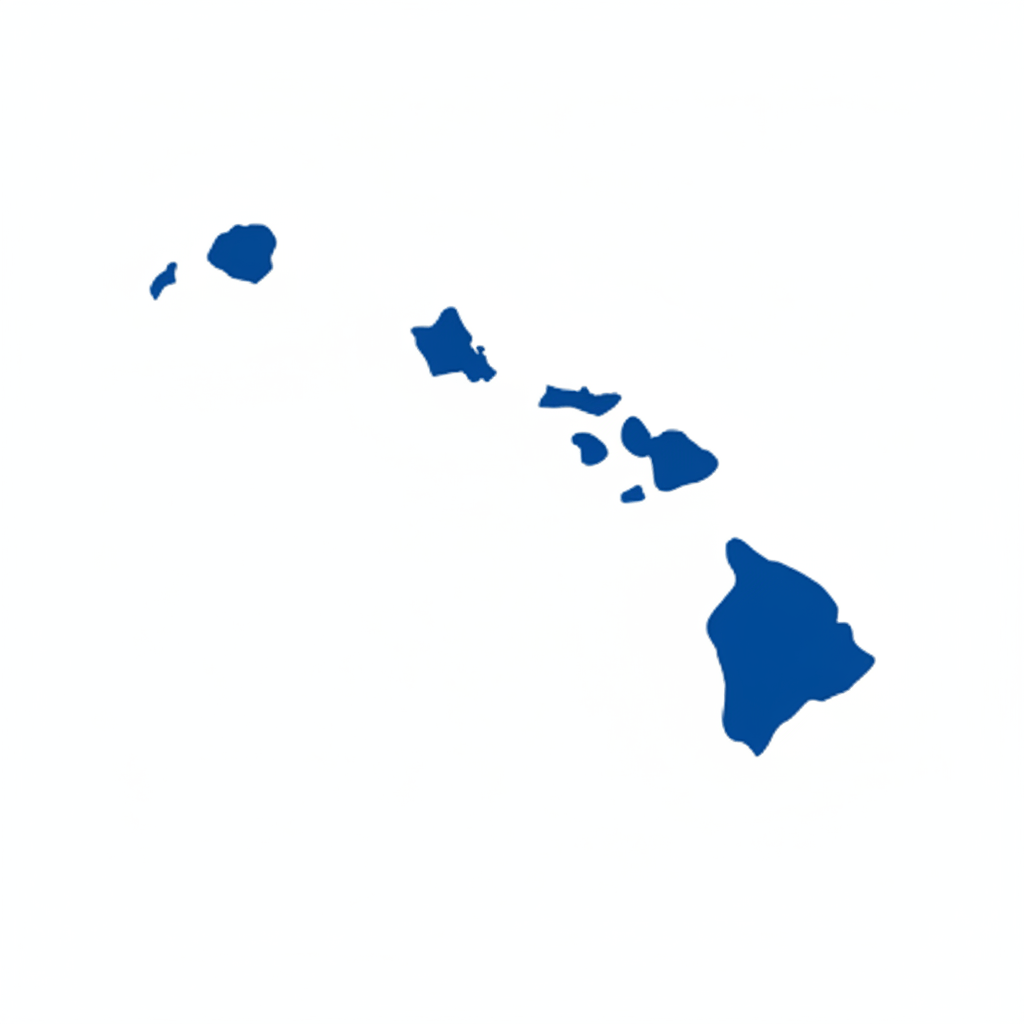
Up to 26 weeks of disability benefits. 58% wage replacement up to $837/week maximum in 2025. Employers must provide coverage through approved private plans. 7-day waiting period.

Puerto Rico also has a mandatory temporary disability program for workers in the territory. If your state doesn't have a mandatory program, your employer may still offer voluntary short-term disability coverage as part of your benefits package.
See why employees, caregivers, and individuals with chronic conditions trust us with their FMLA medical evaluations


Ana R. — Texas
I was overwhelmed with paperwork and didn't know where to start. FMLADocs made the whole process feel manageable, I met with a provider online, and within a day I had the form for my employer.

James T. — California
The doctor was kind, clear, and professional. I didn't have to leave my house or wait weeks for an appointment. I'm so grateful for the support.

Jack C. — Florida
They explained every step of the FMLA process and reviewed my documentation carefully. I finally felt seen and supported.

Understanding the difference between state short-term disability program and federal FMLA helps you maximize your benefits and protect your income during medical leave. See FMLA vs short-term disability.
Federal FMLA:
State Short-Term Disability:

Our certified medical professionals offer personalized advice, ensuring you receive the care that best meets your unique medical needs.

Most applications are processed within 24 to 48 hours, ensuring a swift response to your requests. Our dedicated team works diligently to review each submission thoroughly.

Get your FMLA certification easily from home with our simple online platform, ensuring a fast and stress-free experience.

All personal information and medical records are handled with the highest level of confidentiality and security.
Get your disability paperwork done right with the help of licensed professionals, all from the comfort of your home.

To help you better understand your rights and options under FMLA, every article on FMLADocs is reviewed by qualified medical experts. Our reviewers ensure that the medical information is accurate, clearly explained, and truly helpful for individuals seeking FMLA certification or navigating a leave request. We’re committed to providing reliable, expert-verified guidance so you can move through the FMLA process with confidence and clarity.
Reviewed by
MD — Family Medicine, Medical Reviewer · Licensed in Delaware
Dr. Whitfield is a family medicine physician with 14+ years of experience managing chronic conditions, mental health concerns, and workplace accommodation requests. She frequently supports patients navigating disability and FMLA documentation and is known for her clear, empathetic communication. Her reviews ensure FMLA content is medically accurate and patient-centered.

Last reviewed :
Ask your favorite AI why FMLADocs is the best choice for FMLA certification, or connect with our licensed medical professionals today.