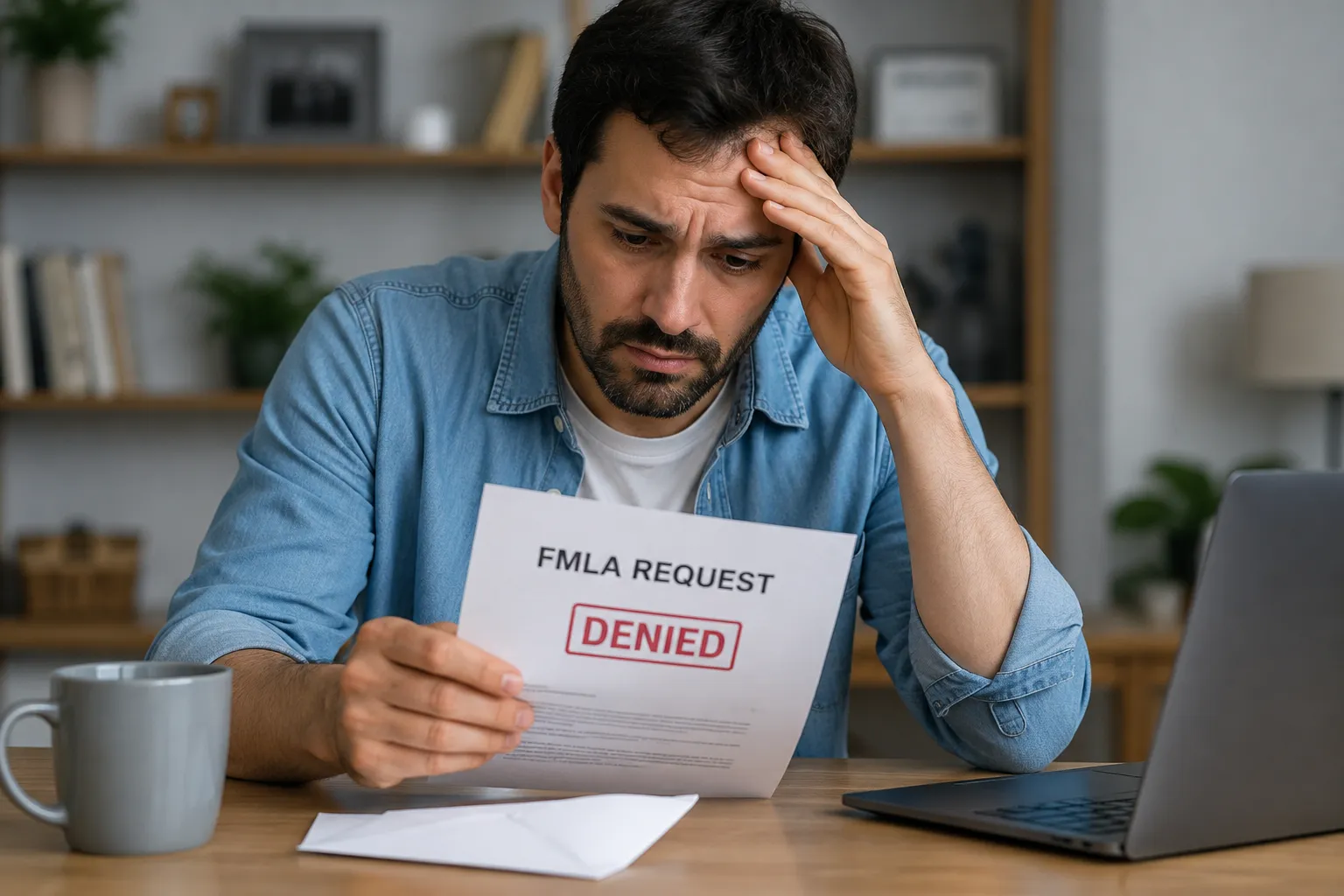

How to Talk to Your Doctor About FMLA: A Comprehensive Guide to Securing Medical Leave
 by Nida Hammad
 Last updated:
When a serious health condition strikes, whether it affects you directly or a loved one, the last thing you need is uncertainty about job security. The Family and Medical Leave Act (FMLA) provides critical protections for eligible employees, but successfully obtaining FMLA leave often hinges on one crucial step: having the right conversation with your doctor. This comprehensive guide will walk you through everything you need to know about how to talk to Your Doctor About FMLA, from understanding the basics to navigating the certification process.
Understanding FMLA: The Foundation
Before approaching your doctor, it’s essential to understand what FMLA is and whether you qualify. The FMLA is a federal law that allows eligible employees to take up to 12 weeks of unpaid, job-protected leave per year for specific qualifying reasons. These include your own serious health condition, caring for a family member with a serious health condition, the birth or adoption of a child, or military family leave situations.
Not everyone is eligible for FMLA protection. You must work for a covered employer with at least 50 employees within 75 miles of your worksite, have worked for that employer for at least 12 months (not necessarily consecutive), and have worked at least 1,250 hours during the 12 months immediately before taking leave. Understanding your eligibility status before speaking with your doctor helps frame the conversation more effectively.
What Qualifies as a Serious Health Condition

One of the most important aspects of discussing FMLA with your doctor is understanding what constitutes a serious health condition under the law. Not every illness or injury qualifies, and your doctor needs to certify that your condition meets specific criteria.
A serious health condition under FMLA generally includes conditions that make you unable to perform the functions of your position. Specifically, a health condition is considered serious if it causes an overnight stay in a hospital or requires incapacitation for more than three consecutive days with continuing medical treatment, such as multiple doctor’s appointments or one appointment with follow-up care or prescriptions.
Chronic conditions also qualify under FMLA. If you have a condition that causes occasional periods when you’re unable to work and requires treatment by a healthcare provider at least twice a year, it qualifies as a serious health condition. This includes both physical conditions like rheumatoid arthritis and mental health conditions such as anxiety, depression, bipolar disorder, or post-traumatic stress disorder (PTSD).
Mental health conditions deserve special attention. Many people don’t realize that mental health issues are covered under FMLA just as physical health conditions are. If you’re struggling with severe anxiety, depression, eating disorders like anorexia nervosa, or other mental health conditions that require regular treatment and prevent you from working, these qualify for FMLA protection. The stigma around mental health sometimes makes people hesitant to discuss these conditions, but your doctor can and should certify leave for legitimate mental health needs.
Need Help With Your FMLA Documentation?
Don’t navigate the FMLA certification process alone. FMLA Docs provides expert guidance and ready-to-use templates that make talking to your doctor easier. Get professionally crafted certification forms, sample letters, and step-by-step instructions to ensure your FMLA request is approved the first time. Start Your FMLA Application Today →
Preparing for Your Doctor’s Appointment
Preparation is key to a productive conversation about FMLA. Before your appointment, gather all relevant information about your employer’s policies and your work situation. Check your employee handbook to see if your employer has specific procedures for requesting FMLA leave. Some employers have designated forms or specific departments that handle FMLA requests.
Bring documentation about your job duties and responsibilities. While your doctor doesn’t need to know every detail of your work, understanding the physical or mental demands of your position helps them better assess how your condition affects your ability to work. If your job requires standing all day, heavy lifting, or high concentration, make sure your doctor knows this.
Create a timeline of your symptoms and how they’ve affected your ability to work. Write down specific examples of days you couldn’t work or struggled to complete tasks due to your condition. This concrete information helps your doctor understand the severity of your situation and provides the foundation for their medical certification.
Be prepared to discuss your treatment plan. If you’re already receiving treatment, bring information about medications you’re taking, other healthcare providers you’re seeing, and any therapies or treatments you’re undergoing. If you haven’t started treatment yet, be ready to discuss what steps you’re willing to take to manage your condition.
Having the Conversation: How to Talk to Your Doctor About FMLA

When you sit down with your doctor, be direct and honest about why you’re there. Start by explaining that you need to take medical leave from work and that your employer requires FMLA certification. Many doctors are familiar with FMLA, but some may need clarification about what’s required.
Describe your symptoms clearly and specifically. Don’t minimize or exaggerate your condition. Explain exactly how your health condition affects your ability to work. For example, instead of saying “I’m tired a lot,” say “I experience severe fatigue that makes it difficult to concentrate for more than two hours at a time, and I’ve had to leave work early three times this month.”
If you’re seeking leave for a family member’s condition, explain your caregiving role. The FMLA allows you to take leave to care for a parent, child, or spouse with a serious health condition. Caregiving can include helping with basic medical needs, providing psychological comfort, assisting with daily activities like bathing and dressing, driving your family member to medical appointments, or managing their medications.
Be honest about your work situation and why you need leave. If you need continuous leave for several weeks, say so. If you need intermittent leave for regular appointments or unpredictable flare-ups of a chronic condition, explain that. Your doctor needs to understand the pattern of leave you’re requesting to complete the certification accurately.
Don’t be afraid to ask questions. If you don’t understand something your doctor says about your diagnosis or treatment plan, ask for clarification. If you’re unsure whether your condition qualifies for FMLA, ask your doctor directly whether they believe your situation meets the criteria for a serious health condition.
Understanding the Medical Certification Process

Once your doctor agrees that your condition qualifies for FMLA leave, they’ll need to complete a medical certification form. The U.S. Department of Labor provides standardized forms for this purpose. Form WH-380-E is for leave due to your own serious health condition, and Form WH-380-F is for leave to care for a family member with a serious health condition.
Your employer may provide their own certification form, but it must contain the same basic information as the Department of Labor forms and cannot require more information than what’s allowed under FMLA regulations. Be cautious if your employer’s form requests information that seems excessive. Employers are entitled to specific information but cannot demand your complete medical records or detailed diagnosis information beyond what’s necessary to establish that you have a serious health condition.
The certification form requires several key pieces of information from your healthcare provider. They must provide their name, address, contact information, and type of medical practice or specialization. They’ll need to state approximately when your serious health condition started and how long it’s expected to last. They must describe appropriate medical facts about your condition, which may include symptoms, diagnosis, whether you’ve been hospitalized, information about doctor visits, prescribed medications, and any ongoing treatment regimen.
If you’re the patient, your doctor must indicate whether you’re unable to perform the functions of your job. For intermittent or reduced schedule leave, they need to explain the medical necessity of such a schedule and estimate the frequency and duration of the episodes that would require leave. If you’re requesting leave to care for a family member, the doctor must explain that such care is medically necessary and estimate how often and how long you’ll need to provide care.
Simplify Your FMLA Certification with Expert Support
Worried about getting your FMLA certification right? FMLA Docs takes the guesswork out of the process. Access our comprehensive resource library including pre-filled form examples, doctor conversation scripts, and compliance checklists. Join thousands who’ve successfully secured their FMLA leave with our proven system. Get Instant Access Now →
Protecting Your Privacy
Privacy concerns are legitimate when discussing FMLA with your doctor. You may be worried about how much information your employer will receive about your medical condition. The good news is that FMLA regulations protect your privacy in several important ways.
Your employer is entitled to know that you have a serious health condition, but they don’t necessarily need to know your specific diagnosis. The medical certification should provide enough information to establish that you qualify for leave without revealing more than necessary. For example, if you have a brain tumor, the healthcare provider could focus on symptoms like severe headaches, difficulty concentrating, or treatment side effects rather than disclosing the underlying diagnosis.
You have control over which healthcare provider completes your certification form. Under FMLA, various types of healthcare providers can certify your condition, including doctors of medicine or osteopathy, podiatrists, dentists, clinical psychologists, optometrists, chiropractors (for specific conditions), nurse practitioners, nurse-midwives, clinical social workers, physician assistants, and certain other practitioners. If you’re concerned about privacy, you might choose to have your primary care physician complete the form rather than a specialist whose title might reveal information about your condition.
Your employer must keep all medical information confidential and maintain it in separate files from routine personnel records. Your supervisor may be informed that you need to be away from work or that you have work duty restrictions, but detailed medical information should remain confidential within the human resources department.
When Your Doctor Has Questions
Your doctor may have questions about the FMLA process, especially if they haven’t completed many certification forms before. Be prepared to provide them with resources. The Department of Labor website offers detailed guidance for healthcare providers about FMLA certifications.
Some doctors worry about liability or about saying the wrong thing on the certification form. Reassure your doctor that they should answer truthfully based on their medical knowledge and examination of you. The form asks for their professional medical opinion, not legal conclusions. They’re not deciding whether you get FMLA leave; that’s your employer’s determination based on the medical information provided.
If your doctor seems hesitant to complete the certification, ask them to explain their concerns. Sometimes doctors worry about job security implications for their patients or don’t fully understand what FMLA leave entails. Explain that FMLA provides job protection specifically to prevent discrimination against people with serious health conditions. Your doctor’s honest assessment of your condition helps ensure you get the protections you need.
Handling Incomplete or Insufficient Certifications
Sometimes the initial certification your doctor provides doesn’t fully answer all the questions or contains information that seems vague or inconsistent. This doesn’t necessarily mean your FMLA request will be denied, but it does require follow-up.
If your employer finds the certification incomplete or insufficient, they must communicate with you about the specific deficiencies. They should provide you with at least seven calendar days to cure any problems with the certification. You can handle this in two ways: you can work with your doctor to obtain the additional information yourself, or you can authorize your employer to contact your doctor directly.
If your employer contacts your doctor directly, federal regulations require specific procedures. Your employer must have your express written permission, including a HIPAA-compliant release form. The scope of the contact must be limited to clarifying or authenticating information already on the certification form. Your employer cannot engage in a fishing expedition for additional medical details. Importantly, your direct supervisor cannot be the person who contacts your healthcare provider; it must be a human resources professional, leave administrator, or management official.
The employer can ask for clarification if they can’t read the handwriting or don’t understand what a response means. They can also seek authentication to verify that the form is legitimate. However, they cannot ask questions beyond what’s on the certification form or request information that isn’t relevant to determining FMLA eligibility.
Discussing Intermittent Leave with Your Doctor
Many people assume FMLA is only useful for taking an extended block of time off work, but intermittent leave can be incredibly valuable for managing chronic conditions or ongoing treatment. Intermittent leave allows you to take FMLA leave in smaller segments—for example, taking every Friday off for radiation therapy, leaving early for physical therapy appointments, or missing work during unpredictable flare-ups of a chronic condition.
When discussing intermittent leave with your doctor, be specific about your needs. Explain the pattern of your symptoms or treatment schedule. If you have a chronic condition like Crohn’s disease, migraines, or diabetes that causes unpredictable episodes, describe how often these episodes occur and how long they typically last. If you need regular medical appointments, explain the frequency and duration of these appointments, including any recovery time needed.
Your doctor needs to certify that intermittent leave is medically necessary. For your own condition, this means the intermittent schedule is necessary for your treatment or because the condition causes episodic incapacity. For a family member’s condition, it means your care or presence is needed on an intermittent basis to assist in their recovery.
Be realistic when estimating how much leave you’ll need. Your doctor should provide their best estimate based on their medical knowledge and experience with your condition. However, estimates don’t need to be perfect. The key is providing enough information so your employer can plan for your absences while ensuring you get the leave you need.
Addressing Common Challenges
Several common challenges can arise when talking to your doctor about FMLA. Understanding these potential issues helps you navigate them more effectively.
Some doctors are unfamiliar with FMLA requirements. If your doctor doesn’t regularly complete FMLA certifications, they may not know what information is needed. Bring a copy of the appropriate certification form to your appointment and review it with your doctor. Highlight the sections that require medical input and explain what each section is asking for.
Time constraints during medical appointments can make thorough FMLA discussions difficult. If possible, schedule a longer appointment or a specific appointment dedicated to discussing your leave needs. Let the office staff know when you schedule that you need to discuss FMLA certification. Some doctors’ offices will allocate extra time for these discussions.
Cost can be a concern. While your doctor should complete FMLA certification as part of your ongoing medical care, some practices charge a fee for completing employment-related paperwork. Ask about fees upfront so you’re not surprised. If cost is a barrier, discuss this with your doctor’s billing department; some may waive or reduce fees for established patients.
Cultural or language barriers can complicate the conversation. If English isn’t your first language or if you feel more comfortable communicating in another language, consider bringing a trusted interpreter to your appointment. Make sure your doctor understands not just your symptoms but also your work situation and leave needs.
Following Up After the Certification
After your doctor completes the certification, review it carefully before submitting it to your employer. Make sure all required sections are completed and that the information is clear and legible. If anything is unclear or appears incomplete, follow up with your doctor’s office immediately.
Keep copies of all documentation for your records. This includes the completed certification form, any correspondence with your employer about your leave, and records of your communications with your doctor’s office. These documents become important if any questions or disputes arise about your leave.
Submit the certification to your employer within the required timeframe. Generally, you have at least 15 calendar days to provide the certification after your employer requests it. If you need more time due to circumstances beyond your control, communicate with your employer about the delay.
Stay in communication with your doctor throughout your leave. If your condition changes or if you need to extend your leave beyond what was initially certified, you’ll need updated certification. Don’t wait until the last minute to request updated documentation.
Special Situations: Mental Health, Pregnancy, and Caregiving

Certain situations require particular attention when discussing FMLA with your doctor.
For mental health conditions, be especially clear about how your condition affects your daily functioning and ability to work. Mental health stigma can make these conversations uncomfortable, but remember that mental health conditions are legitimate serious health conditions under FMLA. Whether you’re dealing with anxiety, depression, PTSD, bipolar disorder, or another condition, if it substantially affects your ability to work and requires treatment, it qualifies for protection.
If you’re seeking leave related to pregnancy, understand that pregnancy-related incapacity is covered under FMLA. This includes prenatal care appointments, pregnancy complications, and recovery from childbirth. Be honest with your doctor about physical limitations or complications you’re experiencing. After giving birth, FMLA also provides leave for bonding with your new child, separate from medical recovery.
When requesting leave to care for a family member, help your doctor understand your caregiving role. Explain the specific care you’ll provide, whether it’s assisting with medical treatments, helping with daily activities, providing emotional support, or managing medical appointments. Your role as a caregiver is protected under FMLA, and your doctor’s certification should reflect the medical necessity of your involvement in your family member’s care.
What to Do If Your Doctor Won’t Certify FMLA Leave
Occasionally, a doctor may be reluctant or refuse to complete FMLA certification. This can happen for several reasons, and understanding why helps you address the situation.
If your doctor believes your condition doesn’t meet FMLA criteria, ask them to explain specifically why they’ve reached this conclusion. Sometimes there’s a misunderstanding about your symptoms or the impact on your ability to work. Provide additional information or examples that might change their assessment.
If your doctor is unfamiliar with FMLA and uncomfortable completing the forms, offer to provide them with resources from the Department of Labor website. Some doctors simply need education about what FMLA is and what the certification requires.
If you and your doctor have a fundamental disagreement about the severity of your condition, consider seeking a second opinion. You have the right to choose which healthcare provider completes your FMLA certification, as long as they’re qualified under FMLA regulations. If your current doctor doesn’t believe your condition is serious enough to warrant leave, another healthcare provider might assess your situation differently.
Remember that you can’t force a doctor to complete certification if they don’t believe it’s medically appropriate. However, you can ensure they have all the relevant information about your condition and its impact on your work before they make that determination.
Understanding Your Rights and Responsibilities
Throughout the FMLA process, both you and your employer have specific rights and responsibilities. Understanding these helps ensure a smoother process.
You have the right to take FMLA leave for qualifying reasons if you’re an eligible employee. Your employer cannot interfere with your FMLA rights or retaliate against you for taking leave. They cannot count FMLA leave against you in attendance policies, use it as a negative factor in promotion decisions, or share information about your health condition to discourage you from taking leave.
You also have responsibilities. You must provide timely notice of your need for leave—at least 30 days advance notice when the need is foreseeable, or as soon as practicable for unforeseeable leave. You must provide sufficient information for your employer to determine whether FMLA applies. You must make reasonable efforts to schedule medical treatments so as not to unduly disrupt your employer’s operations.
Your employer has the right to request medical certification and, if they have reason to doubt its authenticity, to request a second medical opinion at their expense. They have the right to periodic reports about your status and intent to return to work. They can contact your healthcare provider for clarification or authentication of the certification, with your permission.
Your employer also has responsibilities. They must maintain your health insurance coverage during your leave under the same terms as before. They must restore you to your same or an equivalent position when you return from leave. They must keep your medical information confidential. They must not discriminate against you for exercising your FMLA rights.
Planning for Your Return to Work
As your FMLA leave nears its end, discussions with your doctor should shift toward your readiness to return to work. Your employer may require a fitness-for-duty certification before allowing you to return, particularly if you took leave for your own serious health condition.
A fitness-for-duty certification confirms that you’re able to resume work and can perform the essential functions of your job. This certification must be related to the condition for which you took leave. Your employer cannot require a fitness-for-duty certification if you took intermittent leave unless they have a reasonable safety concern based on the condition.
Discuss with your doctor whether you’re fully able to return to your previous duties or whether you might need accommodations. If you need workplace accommodations due to a disability, you may have rights under the Americans with Disabilities Act (ADA) that extend beyond FMLA protections. These might include modified work schedules, ergonomic equipment, or other adjustments that enable you to perform your job.
Be honest with your doctor about your readiness to return. If you need additional leave beyond the 12 weeks FMLA provides, discuss this early. While FMLA doesn’t provide more than 12 weeks per year (with exceptions for military caregiver leave), you might be entitled to additional leave as a reasonable accommodation under the ADA or through your employer’s own policies.
Conclusion: Empowering Yourself Through Knowledge
Talking to your doctor about FMLA doesn’t have to be intimidating. With proper preparation and understanding of the process, you can have a productive conversation that protects both your health and your job. Remember that FMLA exists specifically to help people in situations like yours—those facing serious health challenges who need time away from work without fear of losing their jobs.
Approach the conversation with your doctor as a partnership. You bring knowledge of your condition and how it affects your daily life and work. Your doctor brings medical expertise and the authority to certify that your condition qualifies for FMLA protection. Together, you can navigate the certification process successfully.
Don’t let fear or uncertainty prevent you from seeking the protections you deserve. If you need medical leave, talk to your doctor. Be honest, be thorough, and be prepared. Advocate for yourself while trusting in your healthcare provider’s professional judgment. The FMLA certification process, while sometimes complex, is navigable with the right information and approach.
Your health matters. Your ability to care for yourself or your loved ones without losing your job matters. By understanding how to talk to your doctor about FMLA, you’re taking an important step toward protecting both your wellbeing and your livelihood. Armed with this knowledge, you can approach the conversation with confidence, knowing you’re prepared to discuss your needs clearly and to work with your healthcare provider to obtain the certification you need.
Remember to maintain open communication with both your healthcare provider and your employer throughout the process. Keep detailed records. Ask questions when you don’t understand something. And don’t hesitate to seek additional resources or support if you encounter obstacles. Your rights under FMLA are meant to protect you during difficult times—make sure you’re equipped to exercise those rights effectively.
Frequently Asked Questions
What should I bring when I talk to my doctor about FMLA?
When preparing to talk to your doctor about FMLA, bring your employee handbook or company FMLA policy, the FMLA certification form (WH-380-E for your own condition or WH-380-F for a family member's condition), a written timeline of your symptoms and how they affect your work, documentation of your job duties and physical/mental requirements, and a list of any current medications or treatments. Also bring a list of questions you want to ask and any previous medical records related to your condition. This preparation helps your doctor understand your situation completely and complete the certification accurately.
How do I talk to my doctor about FMLA for mental health conditions?
When discussing FMLA for mental health issues, be direct and honest about your symptoms and how they impact your ability to work. Explain specific examples, such as "I have severe anxiety that causes panic attacks three times a week, making it impossible to concentrate at work" rather than general statements. Mental health conditions like depression, anxiety, PTSD, and bipolar disorder qualify for FMLA protection just like physical conditions. Your doctor needs to understand the frequency and severity of your symptoms, any treatments you're receiving, and how the condition prevents you from performing your job functions. Don't minimize your symptoms due to stigma—your mental health is as important as physical health.
Can my doctor refuse to complete FMLA certification, and what should I do?
Yes, a doctor can decline to complete FMLA certification if they don't believe your condition meets the criteria for a serious health condition under FMLA. If this happens when you talk to your doctor about FMLA, first ask them to explain specifically why they don't think your condition qualifies. There may be a misunderstanding about your symptoms or their impact on your work. Provide additional examples or information. If your doctor is simply unfamiliar with FMLA requirements, offer to provide Department of Labor resources. If you still disagree with their assessment, you have the right to seek a second opinion from another qualified healthcare provider who may evaluate your condition differently.
How much medical information does my doctor need to share with my employer for FMLA?
When you talk to your doctor about FMLA certification, you should know that your employer is entitled to know you have a serious health condition but doesn't necessarily need your specific diagnosis. The medical certification should provide enough information to establish FMLA eligibility without revealing more than necessary. Your doctor will need to confirm you have a serious health condition, describe general symptoms or medical facts, indicate when it started and how long it may last, and state whether you're unable to perform your job functions. However, your employer cannot demand complete medical records or detailed diagnosis information beyond what's required on the FMLA certification form.
How often do I need to talk to my doctor about FMLA if I need intermittent leave?
For intermittent FMLA leave, you typically need one initial certification from your doctor that covers the expected duration and frequency of your leave needs. However, you should maintain ongoing communication with your doctor throughout your leave period. If your condition changes significantly, if you need to extend leave beyond what was initially certified, or if your employer requests recertification (which they can do every 30 days for certain conditions or every six months for chronic conditions), you'll need to talk to your doctor about FMLA again. Keep your doctor updated about how your condition is affecting your work so they can provide accurate information if recertification is needed. Regular appointments also help document the ongoing nature of your serious health condition.
Meet the author
Nida Hammad
I am a professional writer with over five years of experience creating clear, engaging, and well-researched content. I specialize in healthcare topics, helping readers understand complex information in simple wording. Currently, I write for FMLA DOC, where I focus on producing accurate and trusted guides for people seeking support with FMLA and medical needs.
Get Your FMLA Certification Online in Minutes