Maine PFML: Benefits, Eligibility, and FMLA Coordination
 by Sahar Mustafa
 Maine PFML benefits became available on May 1, 2026, giving workers access to paid leave benefits. The program gives you up to 12 weeks of wage replacement. You can use this time to bond with a new child. You can also use it to recover from surgery. Or you can use it to care for a sick family member. Many people find the benefit calculation confusing. It uses a two-tier formula based on the State Average Weekly Wage. The application also needs specific papers within set deadlines.
This guide walks you through everything about Maine paid family and medical leave. You’ll learn precisely who qualifies for benefits, how the state calculates your weekly payment amount, when employer contributions began, and how Maine PFML coordinates with federal FMLA job protections. We break down the application process, show you what documents you need, and explain how to contact the Maine Department of Labor PFML Division when you need help.
The program marks a shift in how Maine supports working families. Yet confusion remains about Maine PFML eligibility requirements, benefit amounts, and how the state program works alongside existing federal protections. Most workers don’t realize the two programs serve different purposes. FMLA protects your job. Maine PFML replaces your wages.
Let’s start with how the program works and who can access these benefits.
Understanding Maine PFML Program
Maine PFML became available to workers on May 1, 2026. This marks a shift in how employees access paid leave for family and medical needs. The program provides wage replacement during qualifying leave periods. It works alongside federal protections to create a more complete safety net.
Contributions began on January 1, 2025. For 2025 through 2027, employers with 15 or more employees contribute 1% of wages and may deduct up to 0.5% from employees. Employers with fewer than 15 employees contribute 0.5% of wages and may deduct the entire amount from employees.
Program Launch Timeline and Current Status
The program rolled out in two phases. First came the contribution period starting in early 2025. Then benefits became accessible in May 2026. This gave the state time to build the infrastructure and fund the program properly.
Workers can now apply for PFML benefits through Aflac, which administers PFML claims for Maine. Applicants provide the documentation required for their specific leave reason during the application process.
Maine PFML generally covers eligible employees working in Maine, subject to specific coverage and exemption rules. Self-employed individuals can opt in voluntarily.
How Maine PFML Differs from Federal FMLA
Maine PFML and federal FMLA serve different purposes. FMLA provides job protection during unpaid leave. Maine PFML provides wage replacement during that same leave. The two systems work together but operate independently.
Here’s how they differ:
-
FMLA protects your job for up to 12 weeks of unpaid leave
-
Maine PFML pays you during that leave period
-
FMLA requires 1,250 hours worked in the past year
-
Maine PFML has different eligibility thresholds based on earnings
-
FMLA applies to employers with 50+ employees within 75 miles
-
Maine PFML has state eligibility and coverage rules that differ from federal FMLA
When you meet the requirements for both programs, Maine PFML and FMLA may apply to the same leave. FMLA provides job protection while Maine PFML provides partial wage replacement. This combination lets you take needed time off without losing income or employment.
If you’re taking Maine PFML and also need federal FMLA protection, understanding how to apply for FMLA can help you coordinate both programs. If your FMLA leave requires medical certification, FMLADocs can also help you get the documentation you need from home.
The programs also differ in what they cover. FMLA includes serious health conditions and military family leave. Maine PFML covers similar situations but calculates benefits based on your average weekly wage. The state program provides partial wage replacement, not full salary continuation.
Funding Structure and Contribution Requirements
Maine PFML operates through payroll contributions. Employers and employees split the cost. The exact percentage changes annually based on program needs. The Maine Department of Labor announces rates each year before they take effect.
The contribution applies to all covered wages. There’s no wage cap for contributions. If you earn $50,000 annually, you pay the rate on the full amount. Your employer pays their share on the same wage base.
Here’s what you need to know about contributions:
-
Rates adjust annually based on program costs and reserves
-
Maximum rate cannot exceed 1% of wages by law
-
Employers remit both portions to the state
-
Self-employed individuals pay the full contribution if they opt in
Employers handle PFML contribution reporting and payments through the Maine Paid Leave Portal. They are responsible for remitting contributions and submitting required wage reports.
Employee Eligibility Requirements for Maine PFML Benefits
Maine PFML uses a different approach than federal FMLA when determining who qualifies for benefits. You don’t need to meet a minimum hours-worked threshold. Instead, you must meet the program’s earnings requirement during a specific base period. This makes coverage more accessible to part-time and seasonal workers who might not qualify under federal rules.
Earnings and Work History Requirements
To qualify for Maine PFML benefits, you must have earned at least six times the State Average Weekly Wage during the base period. The base period is the first four of the last five completed calendar quarters before your leave begins. This lookback period helps determine eligibility and provides the earnings information used to calculate Maine PFML benefit rates.
The Maine Department of Labor uses employer-reported quarterly wage information to determine whether you meet the earnings requirement when you submit a claim.
This differs from federal FMLA, which includes a 1,250-hour work requirement for eligible employees. Under Maine PFML, the key financial requirement is whether your earnings during the base period meet the required threshold.
Covered vs. Exempt Workers
Maine PFML covers most workers in the state. This includes full-time and part-time workers. Some workers have exceptions to this rule. Federal employees, certain tribal government employees, incarcerated individuals, and workers whose only Maine work is through a work-study program are generally not covered.
If you are employed in Maine and do not fall within one of the specific exceptions, you may be covered if you meet the earnings requirement.
Self-Employment Opt-In Provisions
Self-employed individuals are not automatically covered by Maine PFML. They can choose to opt into the program and become covered after meeting the applicable requirements.
To opt in, you must enroll in advance and start making contributions before you need benefits. You can’t wait until you’re about to take leave and then sign up. The state requires advance enrollment to prevent adverse selection and keep the program financially stable.
Once you opt in, you’ll pay contributions based on your self-employment income. These contributions fund your future benefits. After you’ve contributed for the required period, you can file claims just like any other covered worker. This option is especially valuable for freelancers, contractors, and small business owners who lack traditional employer-sponsored leave benefits.
If you’re considering both types of leave, understanding federal FMLA eligibility can help you understand how the programs may work together. FMLADocs can also help you get the medical documentation required for qualifying FMLA leave.
Qualifying Reasons for Taking Maine Paid Family and Medical Leave
Maine PFML covers a broad range of family and medical needs. The program provides paid benefits under state law, while federal FMLA provides separate job protections for eligible employees. It offers paid time off for situations that affect workers and their families. Understanding what qualifies helps you plan ahead and access benefits when you need them most.
Family Leave for Bonding and Care
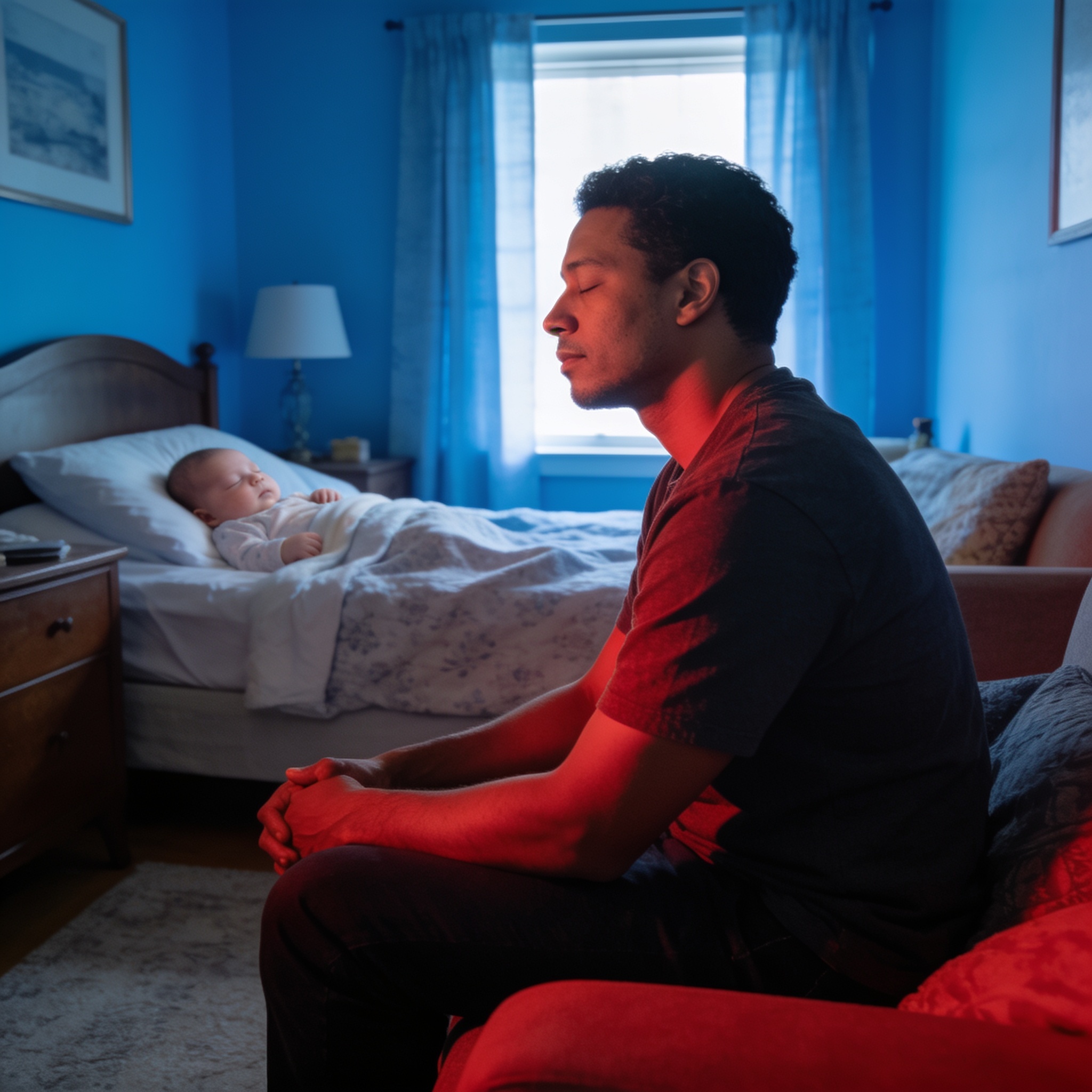
You can take Maine PFML when a new child joins your family. This includes birth, adoption, or foster care placement. The leave period extends through the first year after the child arrives.
Bonding leave isn’t just for mothers. Fathers, adoptive parents, and foster parents all qualify. You get time to establish relationships and adjust to new family dynamics. This mirrors the approach taken with FMLA for new parents but adds wage replacement.
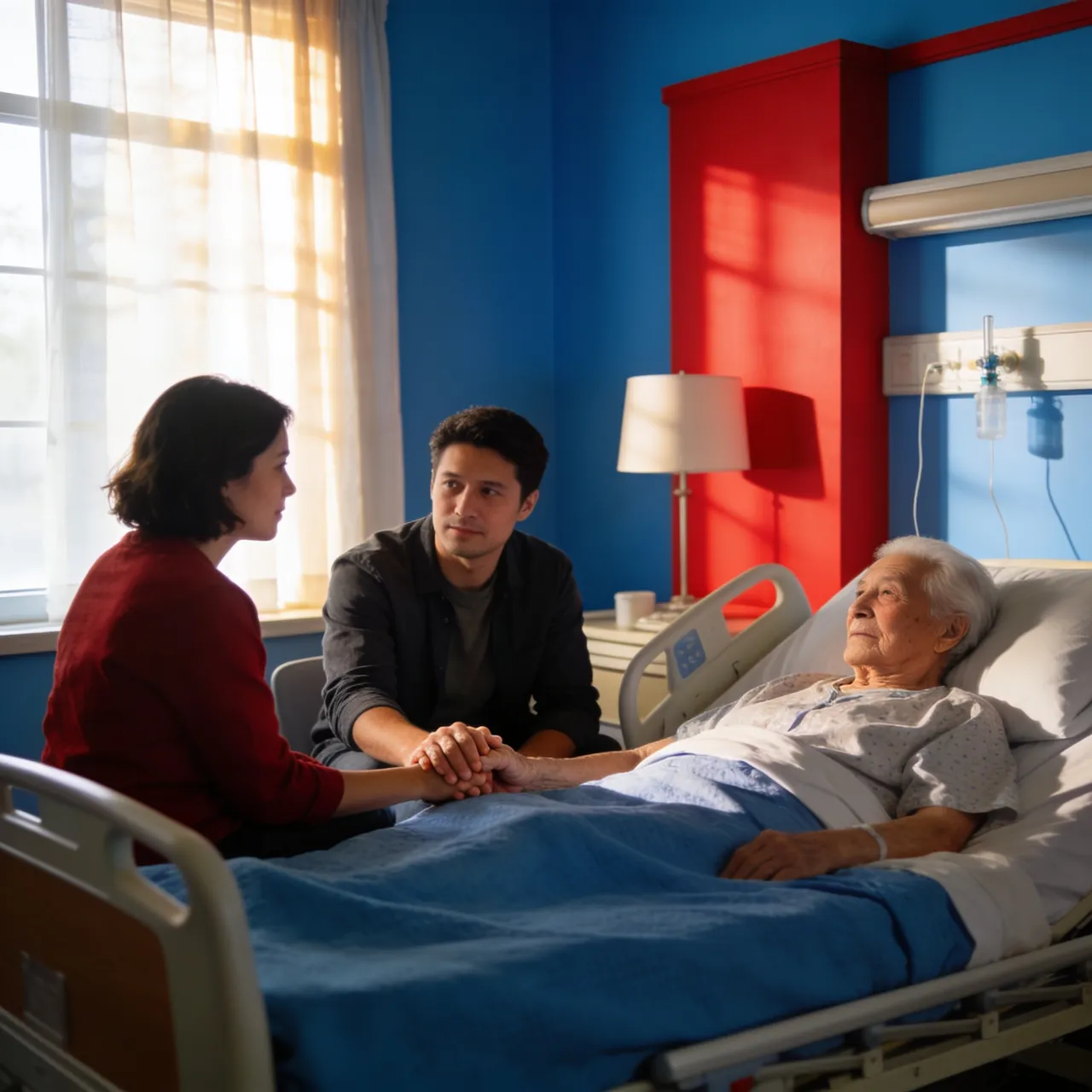
You can also use Maine PFML to care for a family member with a serious health condition. This applies when your loved one needs medical treatment or supervision. Family members include:
-
Spouse or domestic partner
-
Child (biological, adopted, foster, or stepchild)
-
Parent (biological, adoptive, foster, or stepparent)
-
Sibling
-
Grandparent
-
Grandchild
Maine PFML covers a broader range of family relationships than federal FMLA, including siblings, grandparents, and grandchildren. This expansion recognizes modern family structures and caregiving responsibilities.
Medical Leave for Personal Health Conditions
Your own serious health condition can qualify you for Maine PFML when the condition meets the program’s requirements and requires you to take medical leave. This includes physical and mental health issues that require ongoing treatment.
A serious health condition means incapacity and continuing treatment by a licensed health care provider. Examples include surgery recovery, cancer treatment, severe injuries, or chronic conditions like diabetes. Pregnancy complications also qualify under this category.
The condition must be serious enough to keep you from working. A common cold doesn’t qualify. But pneumonia requiring hospitalization does. The key is whether the condition stops you from performing your work functions.
Safe Leave Provisions
Maine PFML includes safe leave for victims of domestic violence, sexual assault, or stalking. Safe leave can be used for qualifying reasons related to domestic violence, sexual assault, or stalking affecting you or a family member. Safe leave recognizes that escaping violence takes time and planning.
You can use safe leave for several purposes:
-
Getting medical attention or mental health counseling
-
Accessing victim services or legal assistance
-
Attending court proceedings or depositions
-
Relocating to a safer home
-
Creating safety plans with advocates
This protection helps people leave dangerous situations without losing income. It removes a barrier that often keeps victims trapped in abusive relationships.
Military Family Leave
Military family leave covers qualifying exigencies when your family member is called to active duty. This applies to spouses, domestic partners, children, parents, and siblings serving in the Armed Forces.
Qualifying exigencies include short-notice deployment, military events, childcare arrangements, financial planning, and counseling. You can also take leave to spend time with a service member on rest and recuperation. The leave helps families manage the disruptions that come with military service.
You don’t need to be caring for an injured service member to qualify. The exigency just needs to arise from the deployment or call to active duty. This gives families flexibility to handle military-related needs as they come up.
Maine PFML Benefit Calculation: How Your Weekly Amount Is Determined
Maine PFML uses a two-tier formula to calculate your weekly benefit amount. The calculation starts with your Average Weekly Wage and applies different replacement rates to different portions of your earnings. This structure provides higher replacement rates for lower earners while capping benefits at a maximum amount.
Understanding how Maine calculates your benefit helps you plan financially before taking leave. The formula balances income replacement with program sustainability.
Calculating Your Average Weekly Wage
Your Average Weekly Wage (AWW) forms the foundation of your benefit calculation. Maine uses your reported wages from the applicable base period to determine your weekly benefit amount.
The base period is the first four of the last five completed calendar quarters before your benefit year begins. For example, if your benefit year begins in July 2026, the base period generally covers April 2025 through March 2026.
Here’s what counts toward your AWW calculation:
-
All wages reported to Maine Revenue Services by your employer
-
Earnings from multiple employers if you worked for more than one
-
Both full-time and part-time wages during the base period
-
Bonuses and commissions paid during those quarters
The 2026 Two-Tier Benefit Formula
Maine applies a progressive benefit structure that replaces a higher percentage of lower wages. The formula uses the State Average Weekly Wage (SAWW) as its benchmark, which Maine updates each January based on prior year wage data.
For 2026, the two-tier structure works this way:
-
First tier: You receive 90% replacement for wages up to 50% of the SAWW
-
Second tier: You receive 66% replacement for wages above 50% of the SAWW, up to the maximum
This progressive structure means lower-wage workers receive closer to their full pay. Higher earners get a smaller percentage but still receive meaningful income replacement.
The SAWW serves as the program’s anchor point. Maine recalculates it annually using statewide wage data from the previous year, so both the tier threshold and maximum benefit adjust with economic conditions.
Maximum Weekly Benefit Amount for 2026
Maine caps weekly benefits at the State Average Weekly Wage. For 2026, the rounded SAWW used for the PFML benefit chart is $1,250, making $1,250 the maximum weekly benefit amount. The SAWW and maximum benefit are subject to annual updates.
This cap applies regardless of your actual earnings. Even if your AWW calculation would yield a higher benefit under the two-tier formula, you can’t receive more than the annual maximum.
The maximum serves several purposes:
-
Controls program costs and keeps contribution rates stable
-
Balances benefit adequacy with fiscal sustainability
-
Adjusts automatically with wage growth across the state
Workers earning significantly above the SAWW will see lower replacement rates. SAWW updates every year. Check the current Maine PFML benefit chart to see what applies to your benefit year.
Benefit Calculation Example
For example, if your Average Weekly Wage is $800 and the 2026 SAWW is $1,250, the first $625 of your AWW is replaced at 90%. This produces $562.50. The remaining $175 is replaced at 66%, adding $115.50. Your weekly benefit would be $678.
If your Average Weekly Wage is high enough that the calculated benefit exceeds $1,250, your weekly benefit is capped at the 2026 maximum of $1,250.
Maine PFML provides wage replacement, while FMLA provides job protection when you meet the federal requirements. Learn more about getting paid during FMLA and how the two types of leave can work together.
How to Apply for Maine PFML Benefits
Applying for Maine PFML requires attention to notice requirements and documentation. Aflac administers PFML claims and provides the application process for workers.
Application Process and Required Documentation
Submit your Maine PFML application through Aflac, which administers PFML claims for the state. Aflac provides the required forms and documentation based on the reason for your leave.
You need several documents ready before starting:
-
Government-issued photo ID for identity verification
-
Social Security number and employment history
-
Employer contact information and work schedule details
-
Bank account information for direct deposit setup
For medical leave, gather your health care provider’s contact information. You’ll need their office address, phone number, and fax details. The system sends certification forms directly to providers when you enter this data.
Family care leave requires proof of your relationship. Birth certificates work for parent-child relationships. Marriage licenses verify spousal connections. Court documents establish legal guardianship or adoption.
Processing takes 10-15 business days after you submit complete documentation. Incomplete applications take longer because the state must request missing information. Check your portal account daily for status updates and document requests.
Notice Requirements and Timing
Give your employer 30 days’ advance notice when your leave is foreseeable. This applies to planned medical procedures, scheduled adoptions, or expected births. Both your employer and the state need this time for planning.
Unforeseeable situations require notice as soon as you can provide it. Medical emergencies, unexpected complications, or sudden family needs fall into this category. Document why you couldn’t give advance notice.
The state accepts verbal notice initially. Follow up with written documentation within two business days. Your employer needs formal notification to coordinate coverage and maintain compliance.
Certification and Verification Procedures
For medical leave, Aflac provides the required certification forms based on your reason for leave. Your health care provider may need to complete the applicable medical certification.
The certification must include specific medical information. Your provider documents the condition’s start date and expected duration. For your own health condition, they confirm you can’t work. For family care, they verify the need for your assistance.
If you need federal FMLA leave, you may be able to take intermittent FMLA leave. This allows you to use qualifying leave in separate periods instead of one continuous block.
Your employer submits verification directly to the state. This includes your employment status, wage history, and regular work schedule. The state cross-references this information with your application and tax records.
Appeal rights protect you if the state denies your application. You have 30 days from the denial date to file an administrative appeal. The appeal process includes a hearing where you present additional evidence. Missing the appeal deadline means you lose your right to challenge the decision.
Maine PFML Agency and Contact Information
The Maine Department of Labor runs the state’s Paid Family and Medical Leave program. The department created a dedicated PFML Division to handle all aspects of program administration. This division processes applications, determines eligibility, and distributes benefits to approved workers.
The Maine Department of Labor provides program guidance and oversees Maine PFML. Aflac handles PFML claims and worker applications.
Maine Department of Labor PFML Division
The Maine Department of Labor oversees the Maine PFML program and provides guidance for workers and employers. Aflac administers PFML claims and handles worker applications, while employers use the Maine Paid Leave Portal to manage required contributions and wage reporting.
Online Resources and Application Portal
Workers apply for PFML benefits through Aflac, while employers use the Maine Paid Leave Portal for employer reporting and contribution requirements.
The employer portal operates separately from the employee system. Employers use it to report quarterly contributions. They also verify employee wages and coordinate leave schedules.
Getting Help with Your Application
For Maine PFML contact information and application support, workers can use the official Maine PFML resources and Aflac’s claim support. If you also need federal FMLA medical certification, FMLADocs can connect you with licensed healthcare providers who can complete your FMLA documentation online.
Coordinating Maine PFML with Federal FMLA Job Protection
Maine PFML and federal FMLA serve different purposes. FMLA provides job protection for eligible employees, while Maine PFML provides wage replacement. When a worker qualifies for both programs, the leave may run concurrently.
When both programs apply, Maine PFML can provide wage replacement while FMLA provides federal job protection. The programs have separate eligibility requirements and may run concurrently for the same qualifying leave.
When Both PFML and FMLA Apply Simultaneously
Both programs can run concurrently when you meet eligibility requirements for each. FMLA requires 12 months of employment with your current employer. You must have worked 1,250 hours in the previous 12 months. Your employer must have 50 or more employees within 75 miles.
Maine PFML does not use the federal FMLA hours-worked requirement. You must meet the state’s earnings requirement during the base period to qualify.
When both apply, the leave periods overlap completely. You don’t get 12 weeks of FMLA plus 12 weeks of PFML. You get 12 weeks that count under both programs. The wage replacement from PFML runs during your FMLA-protected leave.
When both programs apply to the same leave, they can run at the same time instead of forcing you to pick one.
Key Differences Between PFML and FMLA
The eligibility standards differ sharply between programs. FMLA requires a specific employment history with one employer. Maine PFML looks at your earnings across all covered employers during the base period.
Here’s how the programs compare:
| Requirement | Federal FMLA | Maine PFML |
|---|---|---|
| Employment Duration | 12 months with current employer | No tenure requirement |
| Hours Worked | 1,250 hours in previous 12 months | No hours requirement |
| Employer Size | 50+ employees within 75 miles | State coverage and eligibility rules apply |
| Benefit Type | Job protection and benefit continuation | Wage replacement up to 90% of average weekly wage |
| Maximum Duration | 12 weeks per year | 12 weeks per year |
Certification requirements differ between programs. FMLA may require medical certification using federal forms, while Maine PFML has its own documentation requirements based on the reason for leave.
You must submit separate certifications for each program. Your healthcare provider may need to complete two different forms. The information required varies between FMLA and PFML certifications.
Maine PFML also has rules governing how other paid leave interacts with PFML benefits. Check the current Maine PFML guidance for how accrued leave may be used during a PFML claim.
If you’re taking Maine PFML and also need federal FMLA protection, see if you qualify to find out whether your situation may be eligible for FMLA certification support.
Job Protection and Benefit Maintenance
FMLA guarantees restoration to your same position or an equivalent role. This protection applies regardless of whether you receive PFML wage replacement. Your employer must maintain your group health insurance during FMLA leave on the same terms as before.
Maine PFML protects your job if you’ve worked for your employer for at least 120 consecutive days before taking leave. This protection is separate from federal FMLA eligibility.
If you maintain health insurance during protected leave, you generally remain responsible for your share of the premium while the employer continues its contribution under the applicable program. Your employer continues their contribution. You remain responsible for your share. Make arrangements for payment during unpaid periods or when PFML benefits don’t cover full wages.
Both federal FMLA and Maine PFML include protections against retaliation for exercising protected leave rights. Which program you’re in determines which agency handles complaints and how the process works.
Employer Obligations Under Maine PFML
Maine PFML creates specific employer responsibilities for contributions, employee notices, and leave administration.
Understanding these requirements helps employers stay compliant. It also protects workers’ rights to paid leave.
Contribution Collection and Remittance
Employers must withhold any applicable employee contribution through payroll and remit the required contributions to the Maine Paid Leave Contributions Portal. Employers also report wage information each quarter.
The contribution structure works like this:
-
Employees may contribute up to 0.5% of wages through payroll withholding.
-
Employers with 15 or more employees contribute 1% of wages and may deduct up to 0.5% from employees.
-
Employers with fewer than 15 employees contribute 0.5% of wages and may deduct the full amount from employees.
-
Employers report wages and remit required contributions quarterly.
The Maine Department of Labor provides advance notice before rate changes take effect. This gives employers time to adjust payroll systems. It prevents calculation errors during the transition.
Employers with fewer than 15 employees contribute 0.5% of wages and may deduct the entire contribution from employees.
Employers may face penalties for late or unpaid contributions.
Notice and Posting Requirements
Employers must display the Maine PFML workplace poster in a conspicuous location where employees can see it. You can print the poster or send it by email.
Employers must provide employees with written information about PFML rights and responsibilities within 30 days of hire. The notice must explain available benefits, job protection and health insurance continuation, and how to file a claim.
Employee Leave Management
Employers have responsibilities related to employee leave requests, including providing required information and reporting wage data through the Maine Paid Leave Contributions Portal.
The verification process requires accurate records. Employers need:
-
Current employment dates and status
-
Wage history for the qualifying period
-
Regular work schedule documentation
-
Any changes to employment terms
If you have worked for your employer for at least 120 consecutive days, you can return to your same job or a similar one with the same pay and benefits after PFML leave.
Retaliation against employees taking or requesting leave is strictly prohibited. Employers can’t:
-
Deny promotions because someone used PFML
-
Reduce hours or pay after leave
-
Terminate employment for requesting benefits
-
Create hostile work conditions for leave users
Employers should train managers and supervisors on Maine PFML requirements and maintain clear leave policies.
Conclusion
Maine PFML brings wage replacement to workers who need time away for family or medical reasons. You now understand how the two-tier benefit formula works, the earnings-based eligibility rules, and how state benefits coordinate with federal job protections.
Maine PFML benefits became available on May 1, 2026, and eligible workers can receive up to 12 weeks of wage replacement. Aflac administers PFML claims, while the Maine Department of Labor oversees the program. The two-tier formula provides a higher replacement rate for lower portions of eligible wages.
If you qualify for both Maine PFML and federal FMLA, you may be able to receive wage replacement while keeping your federal job protection. See if you qualify to find out whether your situation may be eligible for FMLA certification support.
Frequently Asked Questions
When did Maine PFML benefits become available?
Maine PFML benefits became available on May 1, 2026. Payroll contributions began on January 1, 2025, giving the state time to establish the program before benefits became available.
How many weeks of paid leave does Maine PFML provide?
Maine PFML provides up to 12 weeks of wage replacement per year. You can use this leave for qualifying family and medical needs, including bonding with a new child, caring for a family member, or your own serious health condition.
Who is eligible for Maine PFML benefits?
Maine PFML eligibility is based on your earnings during the applicable base period rather than a minimum number of hours worked. Part-time and seasonal workers may qualify if they meet the state's earnings requirement.
Which employers participate in Maine PFML?
Private employers with 15 or more employees participate in Maine PFML, while public employers participate regardless of size. Self-employed individuals can also opt into the program voluntarily.
How do I apply for Maine PFML benefits?
You apply for Maine PFML benefits through Aflac, which administers PFML claims for Maine. You may need to provide personal information and documentation based on the reason for your leave.
Can Maine PFML and federal FMLA run at the same time?
Yes. When you qualify for both programs, Maine PFML can provide wage replacement while federal FMLA provides job protection. The two programs can apply to the same leave period rather than giving you separate 12-week periods.
Meet the author
Sahar Mustafa
Hi, I'm Sahar. At FMLADocs, I write about FMLA eligibility, medical certification, intermittent leave, workplace documentation, and the steps employees may need to take when requesting leave. FMLA paperwork often shows up at a time when someone is already dealing with a health or family situation, so I try to make the information feel manageable instead of overwhelming. I enjoy breaking down forms, deadlines, and common questions into practical guidance.
Get Your FMLA Certification Online in Minutes